Hardware Engineering Intern — BrainChild Engineering
Novi, MI · May 2026 – Aug. 2026
BrainChild Engineering is a hardware firm in Novi, Michigan.
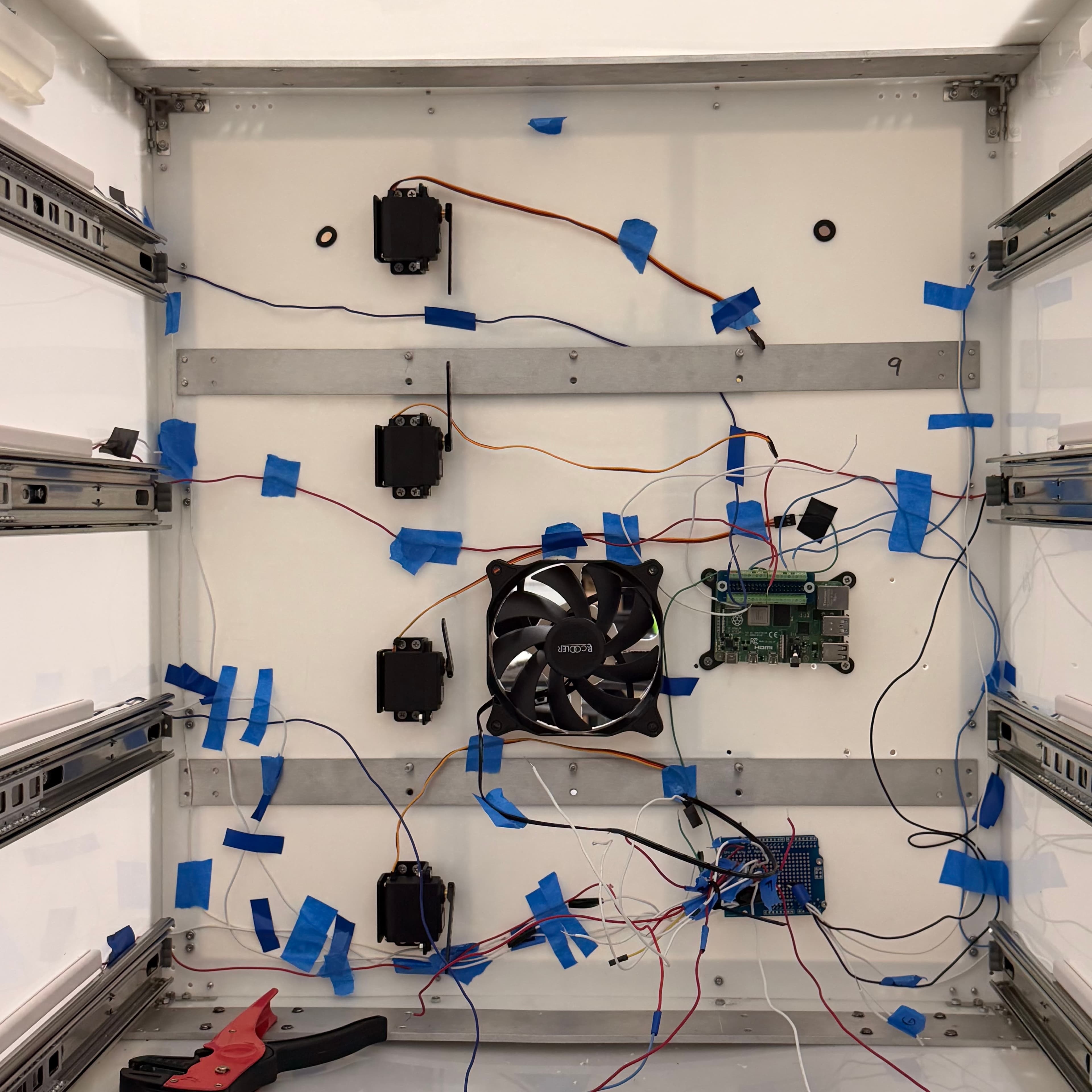
- Vend-A-Shoe: a web command queue, a Raspberry Pi worker, and servo actuation in a packaged client unit.
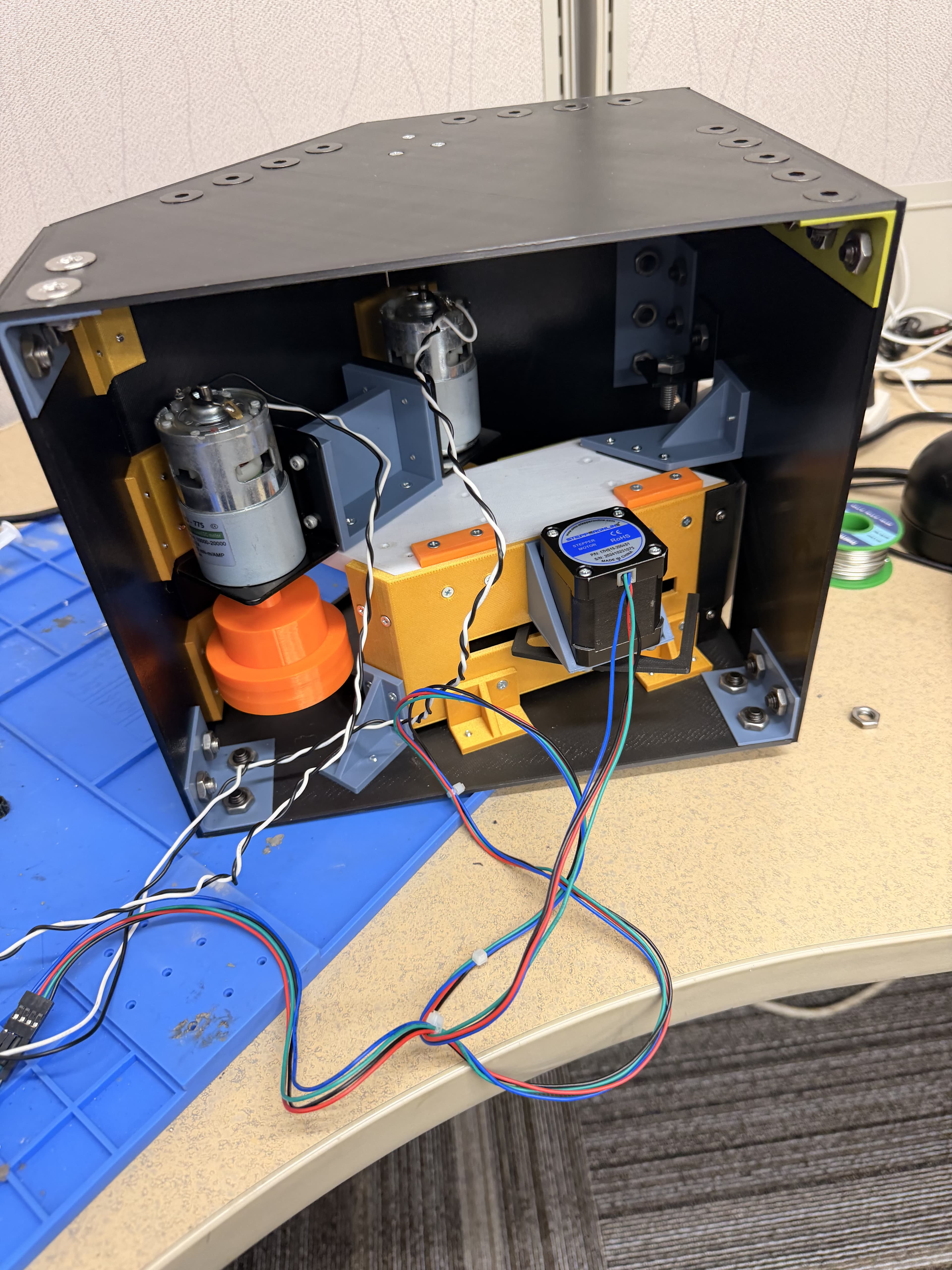
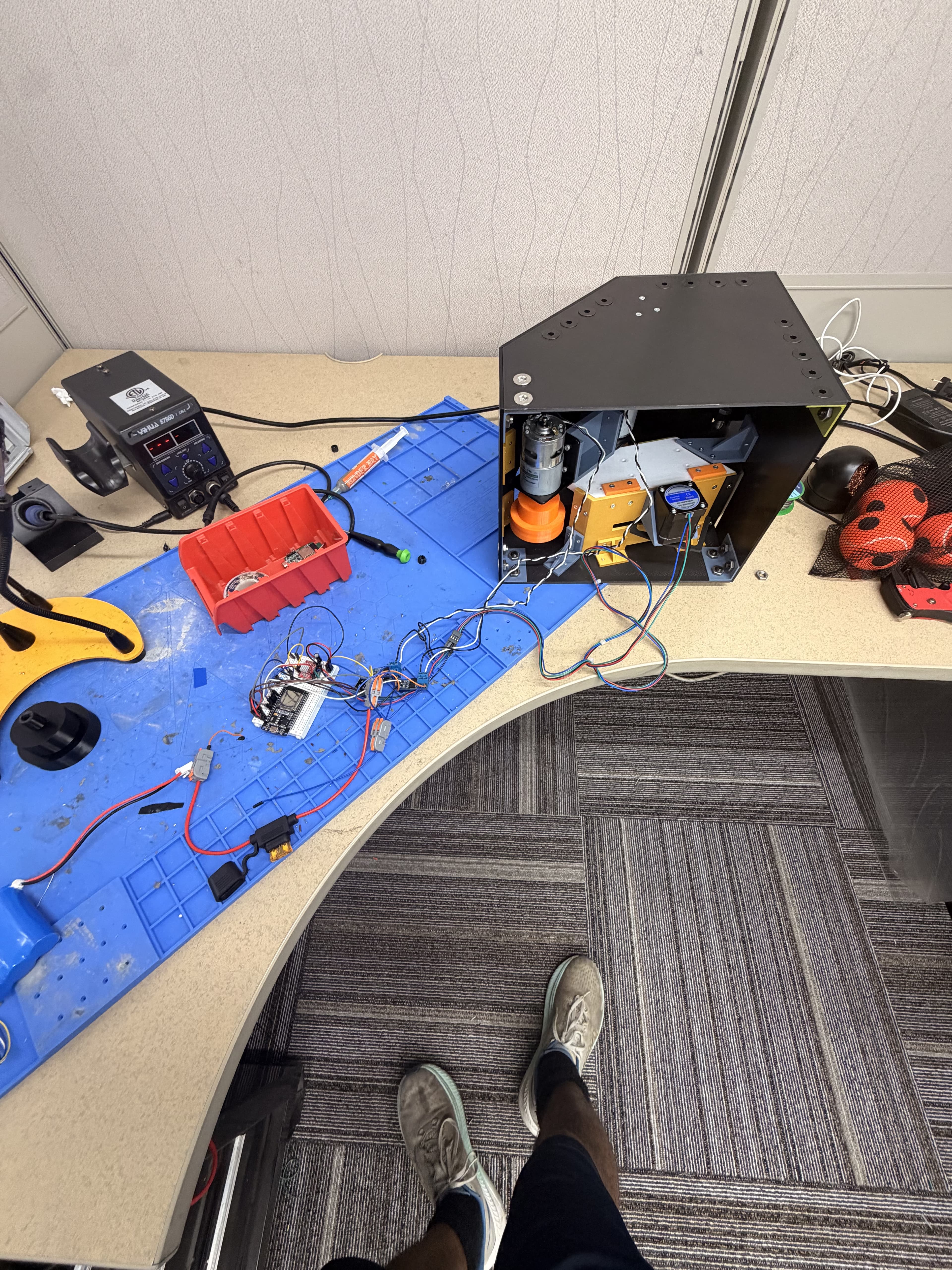
- Built a tennis-ball launcher prototype on ESP32 with dual RS-775 flywheels, NEMA 17 feed, and PWM-switched MOSFET drive.
- On the launcher, a PWM test oversped a motor. The fuse did not open, a solder joint came off, and a wire melted.
Overview
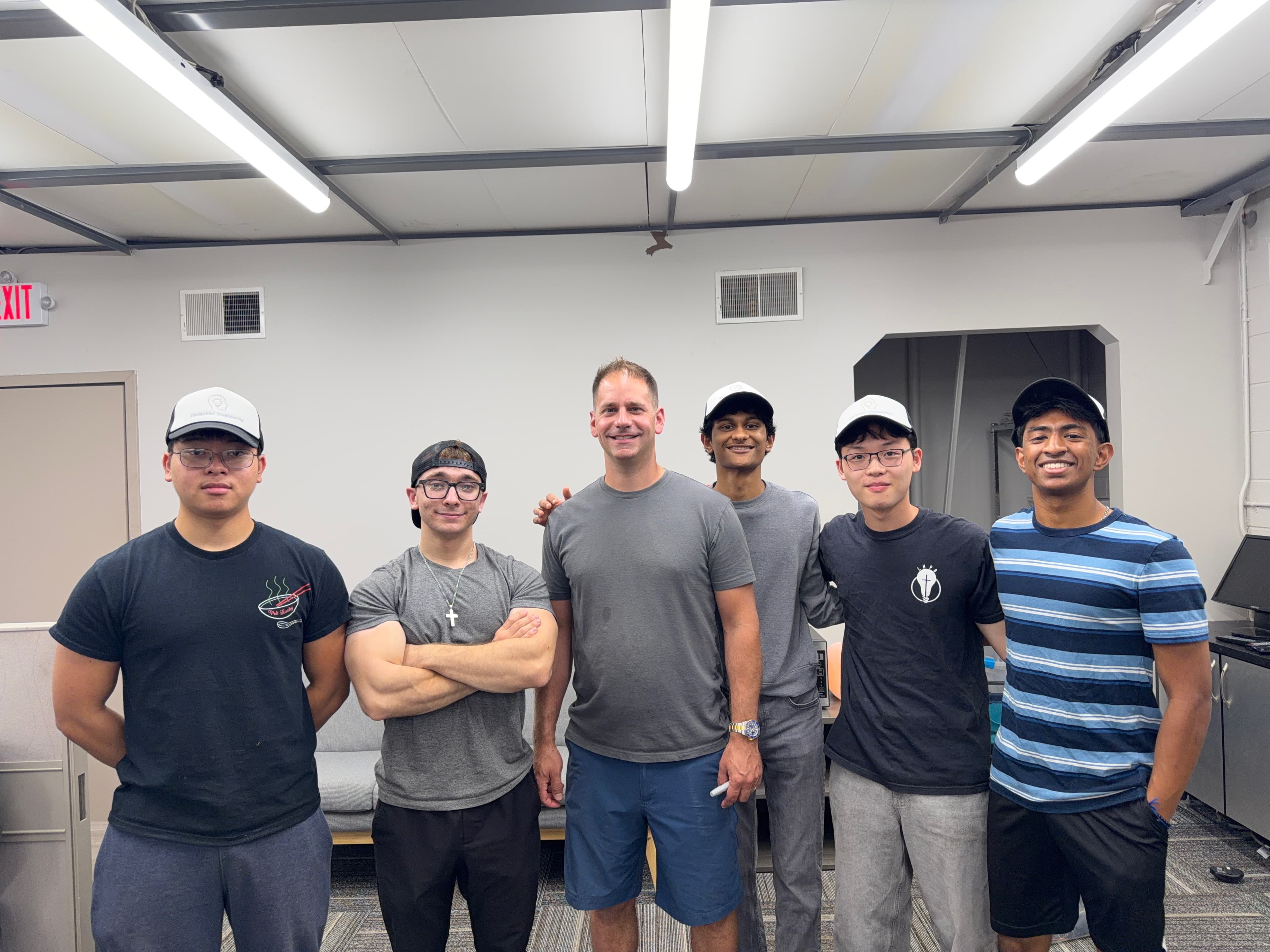
At BrainChild I built hardware that clients used. The work sat across the enclosure, the power rails, the embedded control, and the path from a cloud command to an actuator.
Related projects
My contribution
Vend-A-Shoe: a web command queue, a Raspberry Pi worker, and servo actuation in a packaged client unit. Built a tennis-ball launcher prototype on ESP32 with dual RS-775 flywheels, NEMA 17 feed, and PWM-switched MOSFET drive. On the launcher, a PWM test oversped a motor. The fuse did not open, a solder joint came off, and a wire melted.
Results
A web command had to become a dispense. Shipped with the internship. The build story is .
Flywheels, a feed, and one controller. Prototype, finished with the internship. The project page is the .
Full engineering log
My work
I was a hardware engineering intern from May 2026 through August 2026. The internship is finished. The job was client hardware that had to work outside the shop: an enclosure, a power path, embedded control, and, on one machine, a command that started in a web app.
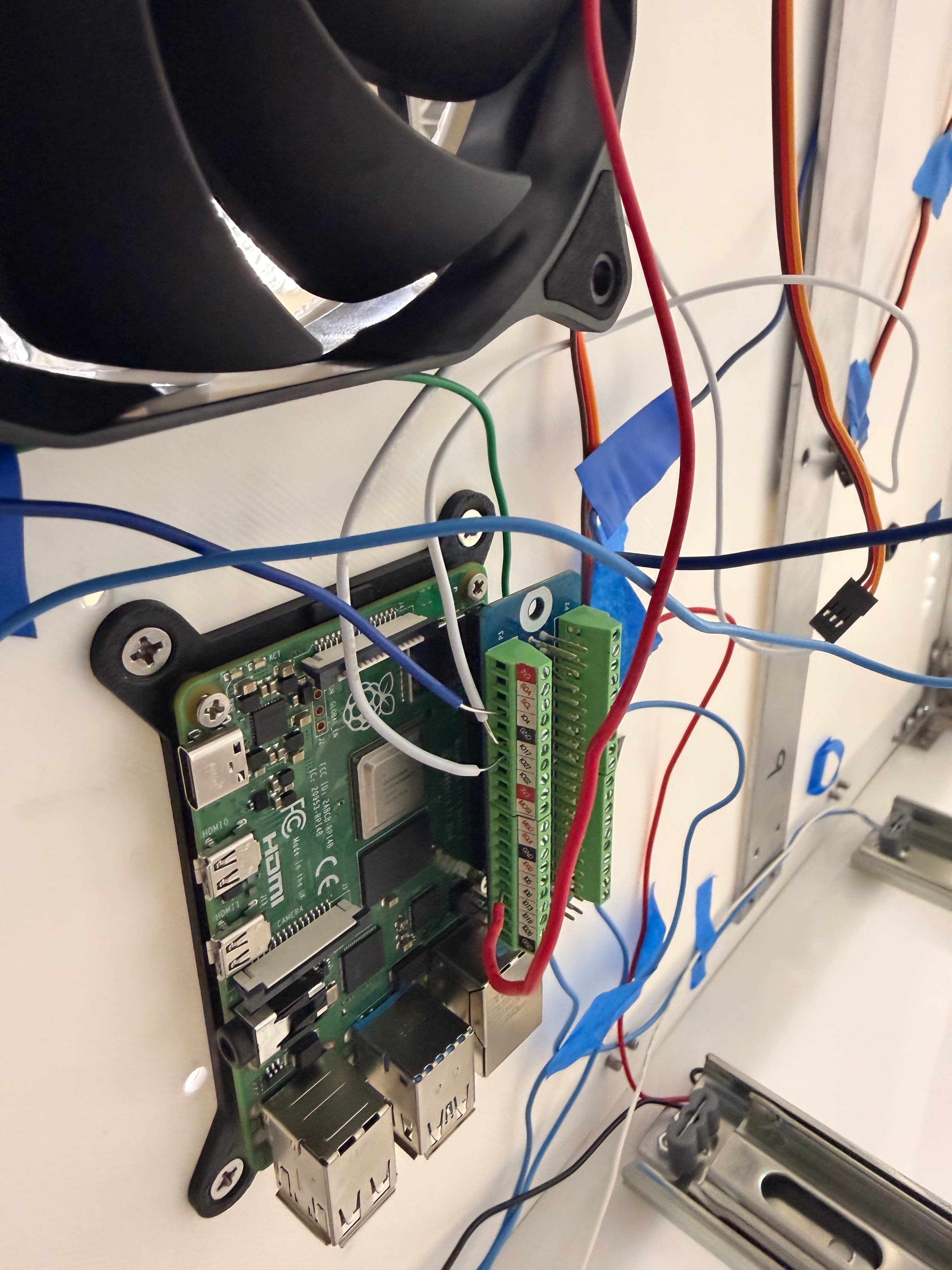
The client unit is Vend-A-Shoe. A web command landed in a queue, a Raspberry Pi worker picked it up, and servos dispensed the shoe on a packaged unit. The other build is the Automatic Tennis Ball Shooter, a prototype launcher: ESP32 control, dual RS-775 flywheels, a NEMA 17 feed, and MOSFET drive under PWM.
When something failed, the cause was often the rail, the fit, or the software state, not the subsystem I happened to be staring at.
- Shipped: Vend-A-Shoe, web command to a Pi worker to servo actuation on a client unit.
- Prototype: Automatic Tennis Ball Shooter, ESP32, dual RS-775 flywheels, NEMA 17 feed, PWM-switched MOSFETs.
- Debugging crossed power, mechanical fit, and software state.
What I learned
A web command had to become a dispense
Problem. The shoe vending machine had to run as a client unit. A request from the web app had to become motion, not a breadboard demo.
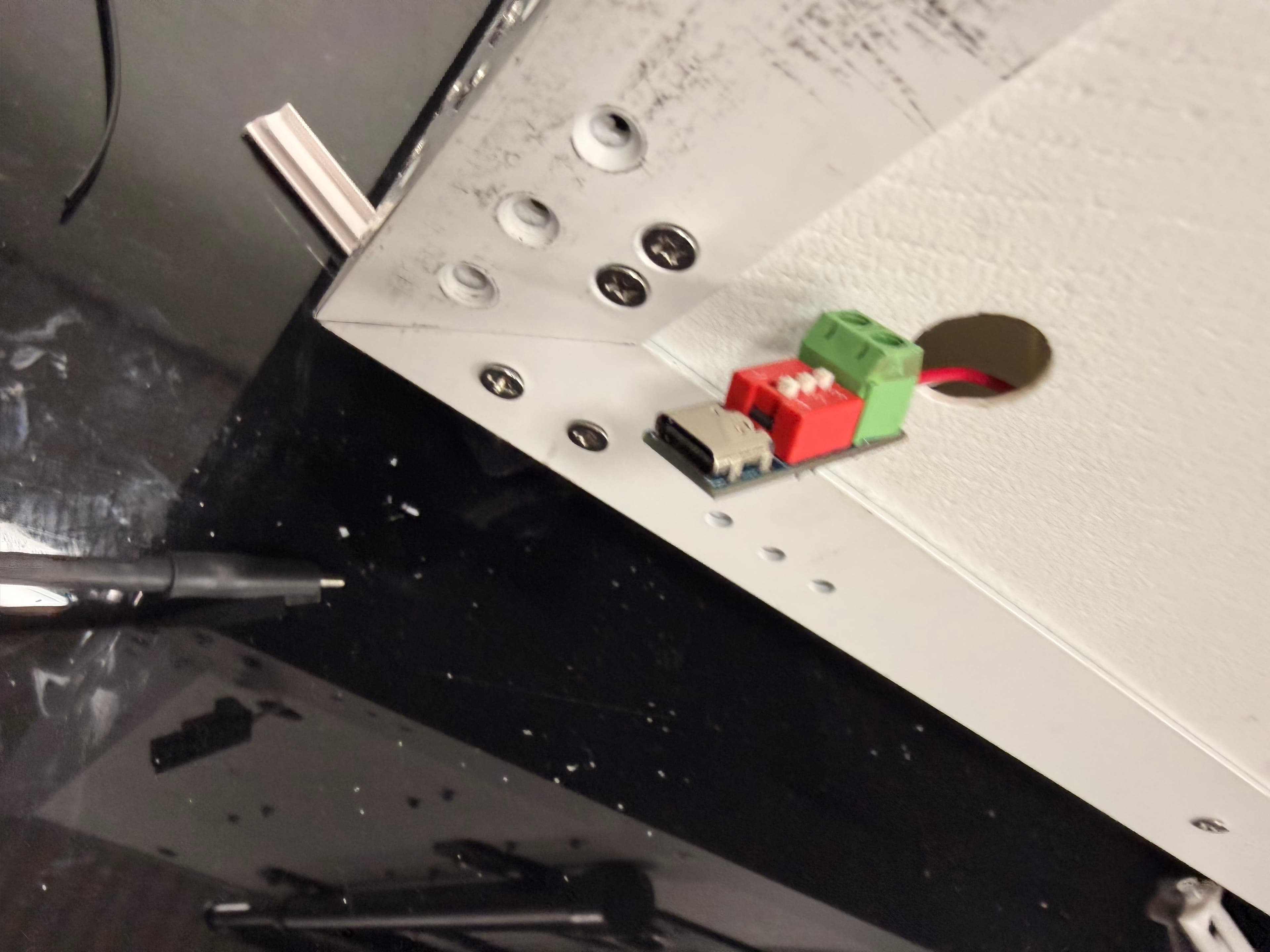
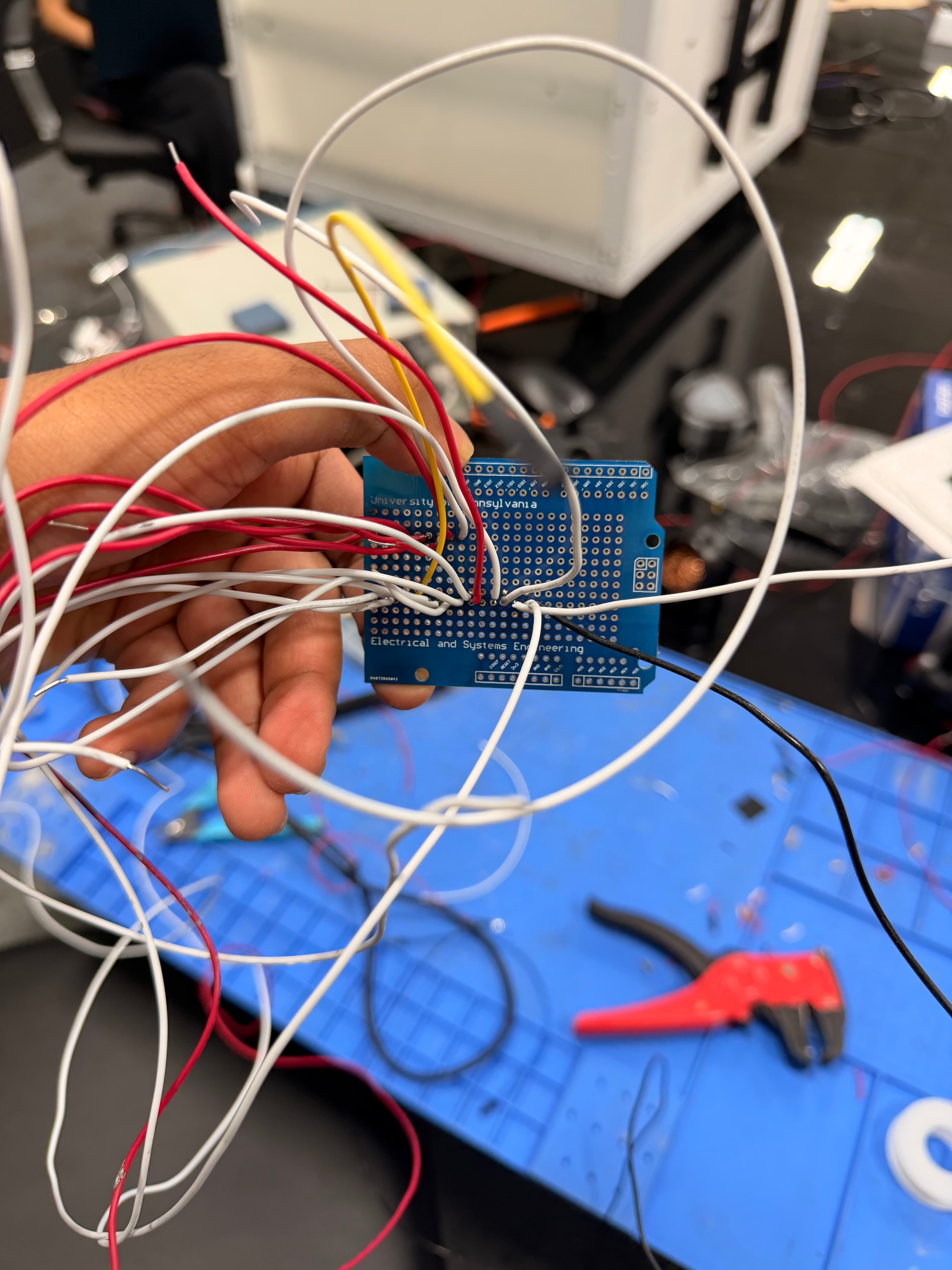
Approach. I built the path from the web command queue to a Raspberry Pi worker to the servos, including the soldered distribution for the actuators and the power path off the wall.
Outcome. Shipped with the internship. The build story is Vend-A-Shoe.
Flywheels, a feed, and one controller
Problem. The launcher needed two flywheel motors and a feed stepper to run from one embedded controller without the drive stage dumping the supply.
Approach. ESP32 control, dual RS-775 flywheels, a NEMA 17 feed, and MOSFETs switched by PWM so speed is a duty cycle.
Outcome. Prototype, finished with the internship. The project page is the Automatic Tennis Ball Shooter.
Photos